 Reviews

 Proudly American

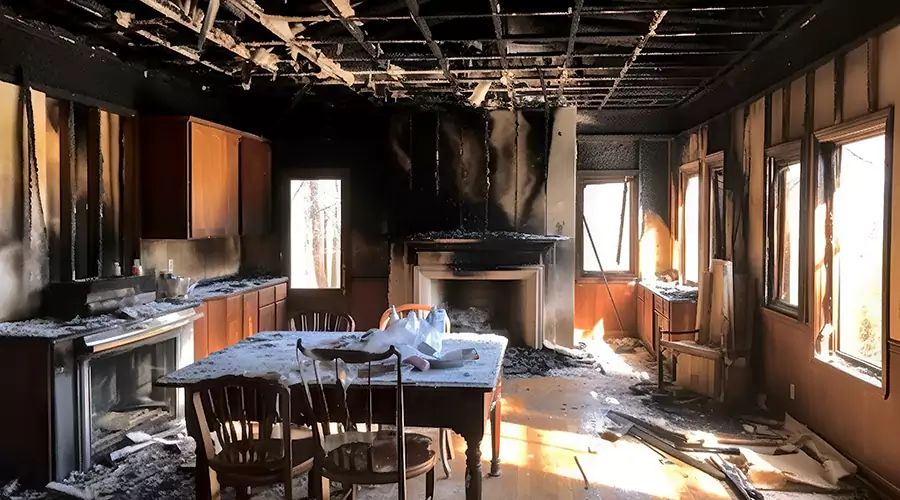
Fire damage restoration cost can vary widely based on the size of the loss, the severity of the damage, and the type of cleanup and repairs required. Smoke damage, soot cleanup, water removal, and structural repairs can all affect the final price, making professional fire and water damage restoration essential for accurate assessment and recovery. This guide breaks down average costs, key pricing factors, and what property owners can expect during the restoration process.
What Fire Damage Restoration Includes?
Emergency Response and Property Stabilization
Restoration often begins with emergency board-up, roof tarping, and site safety measures. These first steps help secure the property, prevent further damage, and make the structure safer for cleanup crews and inspectors.
Smoke and Soot Cleanup
Smoke and soot cleanup involves removing residue from walls, ceilings, floors, and contents. Depending on the materials affected, this may include specialized cleaning methods to address staining, odor, and surface corrosion.
Water Removal and Drying
Firefighting efforts often leave behind water damage that must be addressed quickly. Water extraction, drying, and dehumidification are important to reduce the risk of mold, warping, and additional structural deterioration.
Repairs and Reconstruction
The final stage may include replacing drywall, flooring, insulation, cabinets, and structural materials. In more severe cases, fire restoration can also involve rebuilding damaged rooms or sections of the property to return them to a safe and usable condition.
Average Fire Damage Restoration Cost
Cost Range for Minor Fire Damage
Minor fire damage usually falls on the lower end of the price range. This typically includes limited smoke staining, small contained fires, and cleanup in a relatively small area.
Cost Range for Moderate Fire Damage
At this level, the restoration process often takes more time because crews may need to remove soot, clean affected surfaces, address lingering odor, and replace some damaged materials.
Cost Range for Severe Fire Damage
Severe fire damage can raise the total significantly. Large losses, major structural damage, and full reconstruction often require extensive demolition, cleanup, drying, and rebuilding.
Fire Damage Cost Table
Fire Damage Level: Minor Damage
Estimated Cost Range: $3,000 - $8,000
What It usually includes: Small contained fire, limited smoke cleanup, light deodorization, minor repairs
Fire Damage Level: Moderate Damage
Estimated Cost Range: $8,000 - $25,000
What It usually includes: Multiple rooms affected, soot removal, odor treatment, partial repairs
Fire Damage Level: Severe Damage
Estimated Cost Range: $25,000 - $50,000+
What It usually includes: Major structural damage, extensive cleanup, demolition, and full reconstruction
Note: Cost can vary based on the size of the loss, the severity of the damage, and the type of cleanup.
Factors That Affect Fire Damage Restoration Cost
Size of the Affected Area
A small isolated fire is usually faster to clean and repair, while damage spread across multiple rooms or floors can significantly increase the total cost.
Severity of Fire, Smoke, and Soot Damage
Light smoke cleanup costs less than deep charring and widespread residue. When fire damage is more severe, crews may need to do more intensive cleaning, remove heavily damaged materials, and complete additional repairs before the property is safe to use again.
Type of Materials Damaged
Drywall, wood framing, insulation, flooring, cabinetry, and contents all affect pricing. Some materials can be cleaned, while others must be removed and replaced, which can raise the overall restoration cost.
Water Damage From Fire Suppression
Standing water, wet insulation, and soaked flooring can increase restoration costs. Even if fire damage is limited, water from firefighting efforts can create another layer of cleanup, drying, and repair work.
Odor Removal and Air Cleaning
Deodorization, air scrubbers, thermal fogging, and HVAC cleaning may add to the final price. These services help remove smoke odor and improve indoor air quality, especially when smoke has spread through vents, fabrics, or porous materials.
Cost Planning
Fire restoration pricing is usually driven by how far the damage spread and how many services are needed to fully restore the property. The more complex the cleanup, the more likely the project will require specialized equipment, additional labor, and more extensive reconstruction.
Additional Costs Homeowners Should Expect
Debris Removal and Disposal
Burned materials often need safe removal and disposal. That can add to the total because charred debris may need to be sorted, hauled away, and handled carefully before repairs can begin.
Content Cleaning and Restoration
Furniture, clothing, electronics, and personal items may require separate cleaning charges. These items are often treated as a different part of the job from structural restoration, so they can increase the final bill.
Temporary Housing or Extra Living Expenses
Major restoration projects may force occupants to leave the home for a period of time.
Permit and Inspection Costs
Repair and reconstruction work may also involve permit and inspection fees. When structural repairs or rebuilding local approval steps can add another layer of cost to the project.
DIY Cleanup vs Professional Fire Damage Restoration Cost
Why DIY Fire Cleanup Can Be Risky?
DIY fire cleanup can seem cheaper at first, but soot, smoke odor, and hidden damage are difficult to handle without the right equipment. Soot can be harmful and may spread if it is cleaned the wrong way, while smoke can travel into vents and closed rooms that are not obviously affected.
When Professional Restoration Offers Better Value?
Professional restoration often delivers better value because it focuses on safety, proper cleaning methods, moisture control, and reducing the chance of recurring odor or damage. It also helps address issues that are easy to miss, including hidden contamination and structural concerns.
What Can Increase Fire Damage Restoration Cost Unexpectedly?
Hidden Structural Damage
Framing, subfloors, and support materials may need replacement after inspection. What looks like surface-level damage can turn out to be deeper structural loss once the affected areas are opened up and assessed.
Smoke Damage
Smoke can spread through vents, hallways, and closed rooms, which increases the cleanup scope. That means the restoration area is often larger than the actual burn zone, especially when fine soot and odor have moved throughout the property.
Water Damage and Mold Growth
Delayed drying after firefighting can lead to additional restoration needs. Standing water, soaked insulation, and wet building materials can create a second layer of damage, and if not handled quickly, can also raise the risk of mold.
Signs You Need Professional Fire Damage Restoration
Persistent Smoke Odor
Lingering smoke odor often points to hidden residue. Even when the visible damage seems limited, smoke particles can remain in walls, fabrics, vents, and other concealed areas.
Visible Soot and Staining
Dark residue on walls, ceilings, vents, and contents is another strong sign that professional restoration is needed. Soot can be difficult to remove properly and may spread if it is cleaned with the wrong methods.
Water Damage After Firefighting
Soaked materials, damp insulation, and other water damage after firefighting can create secondary problems. If the area is not dried quickly, it can lead to warping, deterioration, and a higher risk of additional damage.
Damaged Structural Components
Charred framing, weakened drywall, and unsafe surfaces need expert attention. When structural materials are affected, the property may not be safe to occupy until it is inspected and restored correctly.
Final Thoughts
Fire damage restoration costs vary based on the size of the loss, the severity of smoke and structural damage, and the amount of cleanup and repair required. Early action can help limit further damage, reduce restoration time, and control overall expense. A professional assessment is the best way to understand the full scope of work and avoid costly surprises later.